 Dusty Garza

The modern NBA is often described as a space-and-pace paradise, a guard’s playground where the three-point line dictates who lives and who dies. But if you peer inside the executive war rooms of the Western Conference right now, a completely different, terrifying reality is taking shape. A quiet, brutal arms race is brewing, and it isn’t being fought on the perimeter. It’s being fought in the clouds.
When you take a cold, hard look at the landscape of the West, one roster should send a genuine shiver down the spine of any basketball purist: the Utah Jazz.
Danny Ainge and Austin Ainge have quietly constructed an absolute skyscraper of a basketball team. By landing Jaren Jackson Jr. (6’10”) to slide alongside the lethal multi-level scoring of Lauri Markkanen (7’1″), the impenetrable rim protection of Walker Kessler (7’2″), and hyper-skilled hybrid bigs like Kyle Filipowski (6’11”), Taylor Hendricks (6’9″), and rookie phenom Ace Bailey (6’9″), Utah has engineered a literal logistical nightmare. They are a towering, hyper-athletic logjam of extreme length that is completely poised to take a monumental leap forward next season.
Do not be surprised if the Jazz finish the year firmly entrenched as an elite, dominant force in the upper echelon of the Western Conference simply by overwhelming teams with pure, unadulterated mass.
For the San Antonio Spurs, this isn’t just an interesting trend; it’s a direct existential threat. Having Victor Wembanyama is the ultimate trump card, but even an alien cannot patrol an entire coordinate plane by himself. If the Spurs intend to survive the physical scale of the conference, they need a response.
And according to a deep scour of leaked pre-draft workout schedules and agent confirmations, Brian Wright’s response is already in motion. The Spurs have spent this entire cycle quietly hosting an army of giant human beings in San Antonio.
The Intelligence Brief: Hunting the “Stocks” Outliers
The public narrative surrounding this upcoming draft is that it’s a wide-open, chaotic crapshoot. But within the front office ecosystem, insiders view it as one of the deepest draft classes in a long time for a very specific commodity: elite role-playing depth and structural frontcourt value. The Spurs are sitting on a premium chest of draft assets to exploit this depth, holding the No. 20 overall pick alongside an absolute slew of high-value second-round selections at Nos. 35, 42, and 44.
But what exactly is the front office filtering for when these prospects walk through the doors of the practice facility?
To understand the intelligence behind San Antonio’s draft board, you have to look past raw vertical height and look at the secret sauce of modern defensive projection: Stock Rate (Steals + Blocks).
The Spurs aren’t looking for passive, cement-footed giants who just stand under the rim. They are filtering for highly active, chaotic defensive playmakers- players whose wingspans, positional instincts, and physical motors allow them to generate high volumes of deflections, blocks, and steals. In the analytics community, “stocks” are the single highest indicator of cross-system defensive translation. If a big man can generate steals and blocks at a high rate in college, his defensive floor in the NBA rises exponentially.
By layering active “stock” creators around Wembanyama, the Spurs can build a high-pressure defensive grid capable of short-circuiting the towering frontcourts of Utah, Oklahoma City, and Minnesota.
A look at the list of frontcourt prospects who have officially been brought to San Antonio reveals a relentless commitment to a specific physical threshold. Outside of a couple of depth guards, almost every single player the Spurs have worked out stands between 6’8″ and 7’4″.

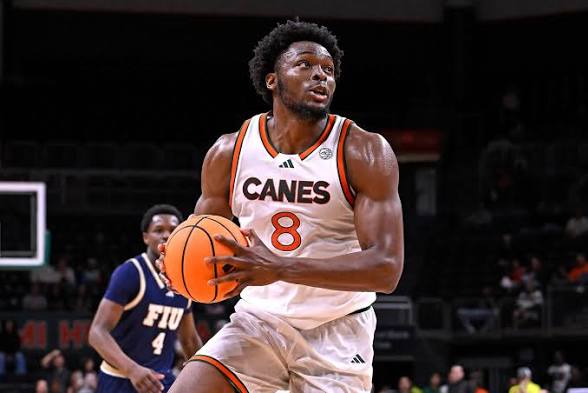
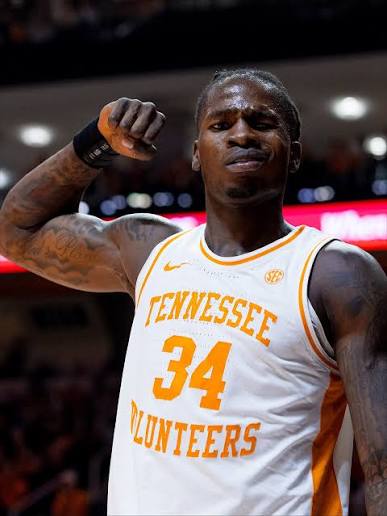


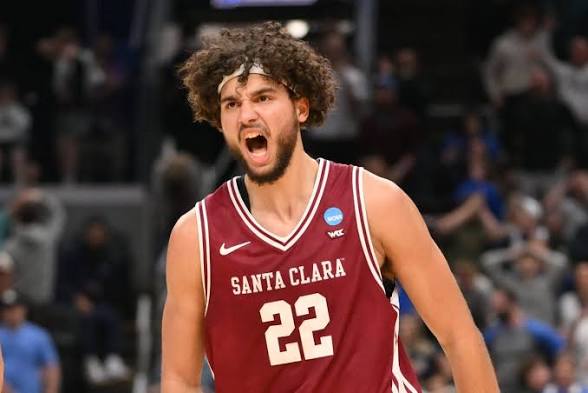
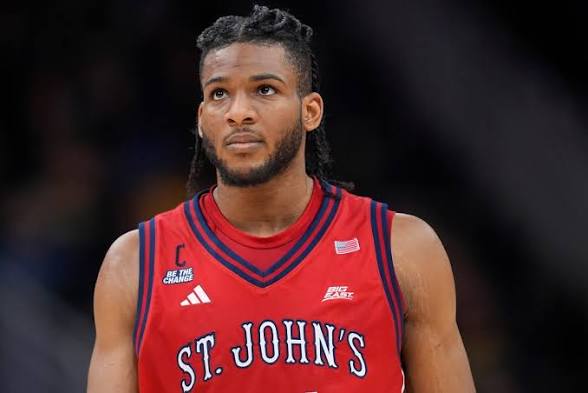
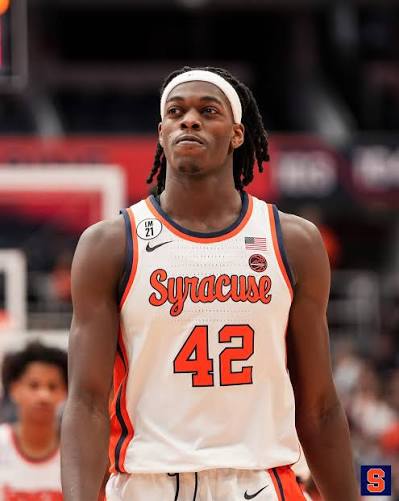

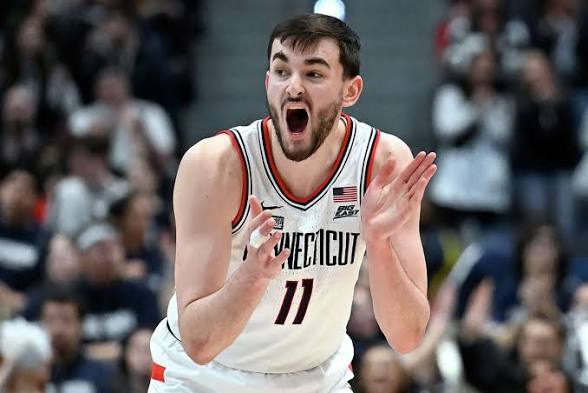
The Elite Lottery-Level Size: The Spurs brought in Chris Cenac Jr. (6’11”) out of Houston and Felix Okpara (6’11”) from Tennessee.
Both of these guys represent the upper echelon of vertical size in this class. Cenac is a mobile, hyper-athletic frontcourt piece who converted a staggering 93% of his dunk attempts last season. Okpara is an elite, pure shot-blocking interior anchor who finished eighth in the entire nation with 69 total dunks, offering a plug-and-play backup profile.
The Physical Enforcers:
Ernest Udeh Jr. (6’11”, Miami) and Tarris Reed Jr. (6’10”, UConn) were brought in to test the upper limits of physical interior strength.
Udeh is a traditional paint-clearer who shot a jaw-dropping 72.7% from the floor by living strictly off high-efficiency rim targets. This guy refused to take a bad shot!
Reed provides a highly structured, championship-DNA interior presence.
The High-IQ Analytical Darlings:
At the 6’9″ threshold sits the real secret intelligence of this class. Allen Graves (Santa Clara) is a massive favorite among analytic models, turning heads by posting an incredibly rare 1.9 steals per game for a big man alongside an elite assist-to-turnover ratio.
Joining him in workouts were St. John’s motor-engine Zuby Ejiofor and Syracuse’s vertical rim-runner William Kyle III, both premier targets for the Spurs’ second-round capital.
The Floor Spacers:
To ensure the offense doesn’t bog down, the Spurs also checked the boxes on modern stretch-forwards, hosting UConn champion Alex Karaban (6’8″), Iowa State shot-maker Milan Momcilovic (6’8″), and Marshall’s Wyatt Fricks (6’10”).
The Ultimate Length Test:
The front office even brought in 7’4″ Italian giant Luigi Suigo from Mega Superbet for a private evaluation before his last-minute decision to withdraw from the draft and commit to Villanova.
San Antonio Draft Room: Frontcourt Intel Board
To visualize how these targets stack up against the physical demands of the Western Conference arms race, use the interactive intelligence board below to explore and sort the metrics of the Spurs’ verified workout class.
The Development Machine: Turning Second-Round Capital into Gold
Possessing multiple picks in a deep draft is a great luxury, but draft assets are only as good as the development infrastructure backing them up. This is where the Spurs hold an unquantifiable structural advantage over the rest of the league.
The San Antonio developmental system- headlined by the seamless synergy with the Austin Spurs of the NBA G League- is perfectly engineered to handle raw, high-upside second-round investments. When the Spurs select a player at No. 35, 42, or 44, that prospect isn’t left to rot at the end of an NBA bench or throw up random shots in garbage time. They enter a highly disciplined, internal cultivation pipeline.
The strategy relies on a shared playbook, identical coaching vernacular, and an elite staff of shooting and development architects and sports science experts who split time between San Antonio and Austin.
A second-round big man can play 32 minutes a night in a low-pressure G League environment, working through his mechanical flaws and learning exactly how to run the high-low sets he will eventually execute next to Wembanyama, before being recalled to the main roster the next morning.
In an era governed by a highly punitive luxury tax apron, teams can no longer afford to overpay for veteran bench depth. Finding cheap, controllable, elite-sized rotational pieces in the second round is the only sustainable way to build a championship contender. With four bites at the apple next week and a laser focus on active defensive length, Brian Wright is uniquely positioned to secure the structural walls San Antonio needs to withstand the towering storm brewing in the West.