 Dusty Garza
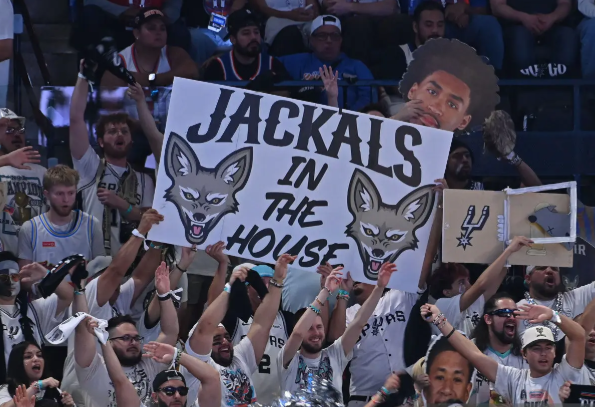
On the surface, banning younger fans from a dedicated arena section isn’t exactly a warm and fuzzy marketing play. Cutting off kids is rarely an easy PR sell, especially in a family conscious market like San Antonio. But the Spurs, and by extension the NBA, deserve real credit for making a grown up decision in a league that often tries to be everything to everyone. This is a rare case of a franchise prioritizing child safety and operational reality over easy, all ages branding.
Across modern pro sports, teams are constantly trying to split the atom. They want the raw, chaotic intimidation of European football terraces, but they also want a squeaky clean, sponsor friendly, bring the kids experience. The result is usually a watered down middle ground that satisfies no one. By drawing a hard line at adulthood, the Spurs effectively admitted what a lot of clubs privately know but won’t say out loud: a true supporters’ section isn’t a middle school playground, and selling it as such was a ticking clock.
It was a tough choice for sure, we love our kid Jackals, but as the Jackals have and will continue to grow, the atmosphere will become more intense, with constant standing, chanting, and coordinated movement and support. After evaluating the past season, we feel an 18+…
— Spurs Jackals (@SpursJackals) August 30, 2026
The inspiration for the Jackals stems directly from Victor Wembanyama’s European roots, where authentic ultra culture provides a relentless, living heartbeat for the team rather than reliance on prerecorded jumbotron cues. But transplanting that fierce continental energy into an American arena requires respecting what that commitment actually demands.
Running an ultra section is not just “cheering loud.” It’s an endurance event. The Jackals ask for nonstop standing, synchronized jumping, 48 minutes of voice shredding chants through megaphones, and living next to unamplified bass drums that can hit well north of 100 decibels for three hours straight. Dropping 12 and 14 year olds into that kind of environment on a Tuesday night with a 7:30 PM tip doesn’t just mess with bedtime, it edges dangerously close to legal and ethical gray areas.
Strip away the fan romance, and that legal reality becomes impossible to ignore. When an arena section requires auditions, strict attendance, and continuous physical exertion, it begins to dangerously blur the line between ticket holding fans and unpaid performance labor. For minors on a school night, that treads uncomfortably close to state labor standards designed to protect children from late hours and excessive physical strain. Toss in prolonged exposure to ear splitting decibel levels, high energy crowd surges, and flowing beer, and the franchise’s basic duty of care takes a heavy beating. The Spurs weren’t just protecting the vibe of Section 114; they were quietly closing the door on a massive legal headache before an accidental injury turned a great idea into a cautionary tale.
The path of least resistance would have been obvious: keep letting kids in and slowly sand down the Jackals’ edges. Ask fans to sit more. Turn the drums down. Cut back on the jumping. Nudge the whole thing closer to a conventional spirit section so it plays nicer with family brand messaging. In other words, sacrifice the very energy Wembanyama envisioned in order to keep selling the illusion that every square foot of the building can be for everyone.
Instead, the Spurs chose clarity and integrity on both sides. Families still have roughly 18,000 other seats in the arena where they can watch Wembanyama and company in a controlled, kid friendly environment. Meanwhile, Section 114 gets the green light to fully lean into its identity without chaperones worrying about crowd surges, stray elbows, or long term hearing damage.
In an era where teams struggle to get fans off the couch, this approach offers a vital blueprint for the future of stadium entertainment. Live sports aren’t one size fits all anymore; they thrive on segmented, authentic subcultures. Trying to sanitize every section neutralizes the in person experience, whereas protecting specialized fan zones allows genuine passion to flourish without compromising safety elsewhere in the building.
This is what a mature, well run organization looks like: accepting that not every space in the arena has to serve every demographic, and that some experiences work best with honest guardrails. In an era where teams love to talk about “creating authentic atmosphere,” the Spurs backed it up with a decision that actually allows that atmosphere to exist, and did so while taking kids out of the line of fire.
In the end, making the Jackals adults only protects children, shields the franchise from worst case legal scenarios, and gives one of the NBA’s most intriguing fan experiments the breathing room it needs to grow into something real. That’s not just a policy tweak. In today’s league, that’s a legitimately bold front office win.